
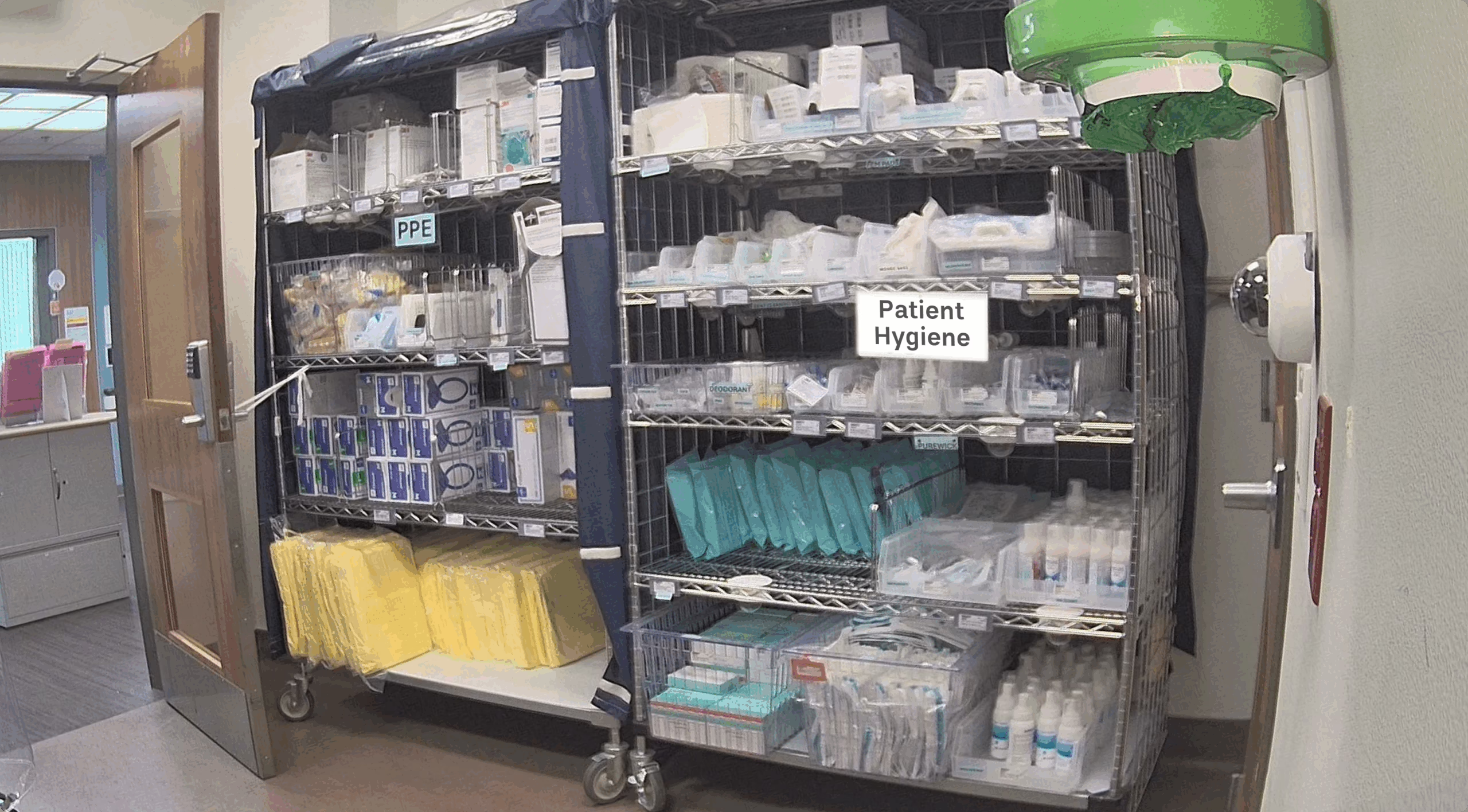
A stockout in a hospital results in a rush order, a delayed case, or a clinician leaving the floor to find a substitute mid-procedure. Most of these events are preventable, and they trace back to the same root cause: the system inventory position does not match what is actually on the shelf.
This guide covers why hospitals run out of supplies, the strategies that prevent stockouts, how to handle rush orders and shortages when they do happen, and how to keep from swinging into the opposite problem of costly overstock. It is written for supply chain and materials management teams who want fewer surprises in the supply room.
Why Do Hospitals Run Out of Supplies?
Stockouts rarely come from a lack of effort. They come from a handful of recurring gaps.
Inaccurate counts are the biggest. When usage is captured by hand or by periodic count, the number in the system drifts from reality between checks, so a shelf can be empty while the system still shows stock. Weak demand forecasting is next: PAR levels set from habit rather than real usage leave popular items short during busy periods. Manual processes slow everything down, from noticing a low shelf to placing the order. Supplier rush orders and shortages add a layer the hospital does not fully control. And siloed systems mean the supply room, the ERP, and the clinical teams do not share one live picture.
The pattern is that stockouts are a data problem before they are a supply problem. Fix the accuracy of the count and most of the downstream causes shrink.
The Real Cost of Hospital Stockouts
Stockouts cost more than the rush order that follows. They delay or disrupt care when an item is missing at the point of use. They pull clinical staff into searching and expediting instead of patient work. They drive premium spending on emergency orders and overnight shipping. And they push teams to over-order everything as a defense, which trades the stockout problem for an overstock and expiry problem. The goal is not simply more stock, it is the right stock, reliably.
Strategies to Prevent Hospital Stockouts
Preventing stockouts comes down to seeing usage clearly and acting on it before a shelf runs dry. These strategies work together.
Keep a real-time, accurate count
Every other strategy depends on this one. If the count is only accurate on count day, reorder points and forecasts are working from stale numbers. Capturing usage continuously, as it happens, keeps the system and the shelf aligned so shortages are visible before they become stockouts. Our guide to point-of-use inventory accuracy explains why this is the foundation.
Set PAR levels from real usage
PAR levels define the minimum that triggers a reorder and the maximum to restock to. When they are set from actual consumption and kept current, they prevent both stockouts and overstock. When they are guessed, they cause both. See our guide to hospital PAR level management for how to set and maintain them.
Forecast demand instead of reacting to it
Demand forecasting uses real usage patterns to predict what a location will need before it needs it, so PAR levels and orders adjust ahead of a busy stretch rather than after a shortage. Our guide to demand forecasting for hospital inventory covers how this works in practice.
Automate alerts and reordering
Manual reordering waits on a person. Automated alerts flag an item the moment it drops below its reorder point, and automated replenishment connected to your ERP fires the order without a manual step. This closes the gap between a shelf running low and an order being placed.
Right-size safety stock
Safety stock is the buffer that absorbs unexpected demand and supplier delays. Too little and a spike causes a stockout; too much and capital and shelf space are tied up. Set safety stock from real variability in usage and lead time, and revisit it as those change, rather than padding every item.
Rebalance stock across locations
When one site or unit runs short and another holds excess, moving stock between them prevents a stockout without a new order. Visibility across locations makes this possible, which is one reason a single live picture across sites matters during shortages.
How to Handle Backorders and Supplier Shortages?
Some shortages start upstream, with a supplier delay or a market-wide shortage, and no amount of internal accuracy fixes those directly. What a hospital can control is how it responds. Watch for at-risk items early using real usage and lead-time data, so a rush order is spotted before the shelf is empty. Identify approved substitutes in advance for critical items, so a switch does not happen under pressure mid-case. Rebalance existing stock across sites to cover the gap while the rush order clears. Share inventory data with suppliers so they can plan against real demand, reduce delivery days, and help build supply chain resiliency. And keep clinical teams informed so they are not surprised at the point of care. Automation helps here by flagging the risk early rather than after the item is already gone.
Preventing Stockouts Without Creating Overstock
The trap many hospitals fall into is solving stockouts by ordering more of everything. That trades one costly problem for another, since overstock ties up capital and leads to expired write-offs. The way out is accuracy, not padding. When the count is live and forecasts reflect real demand, PAR levels can sit at the right point, high enough to prevent stockouts and low enough to avoid waste. Managing stockouts and excess is the same job done well, not two separate efforts.
Preventing Stockouts in Acute Care Supply Rooms
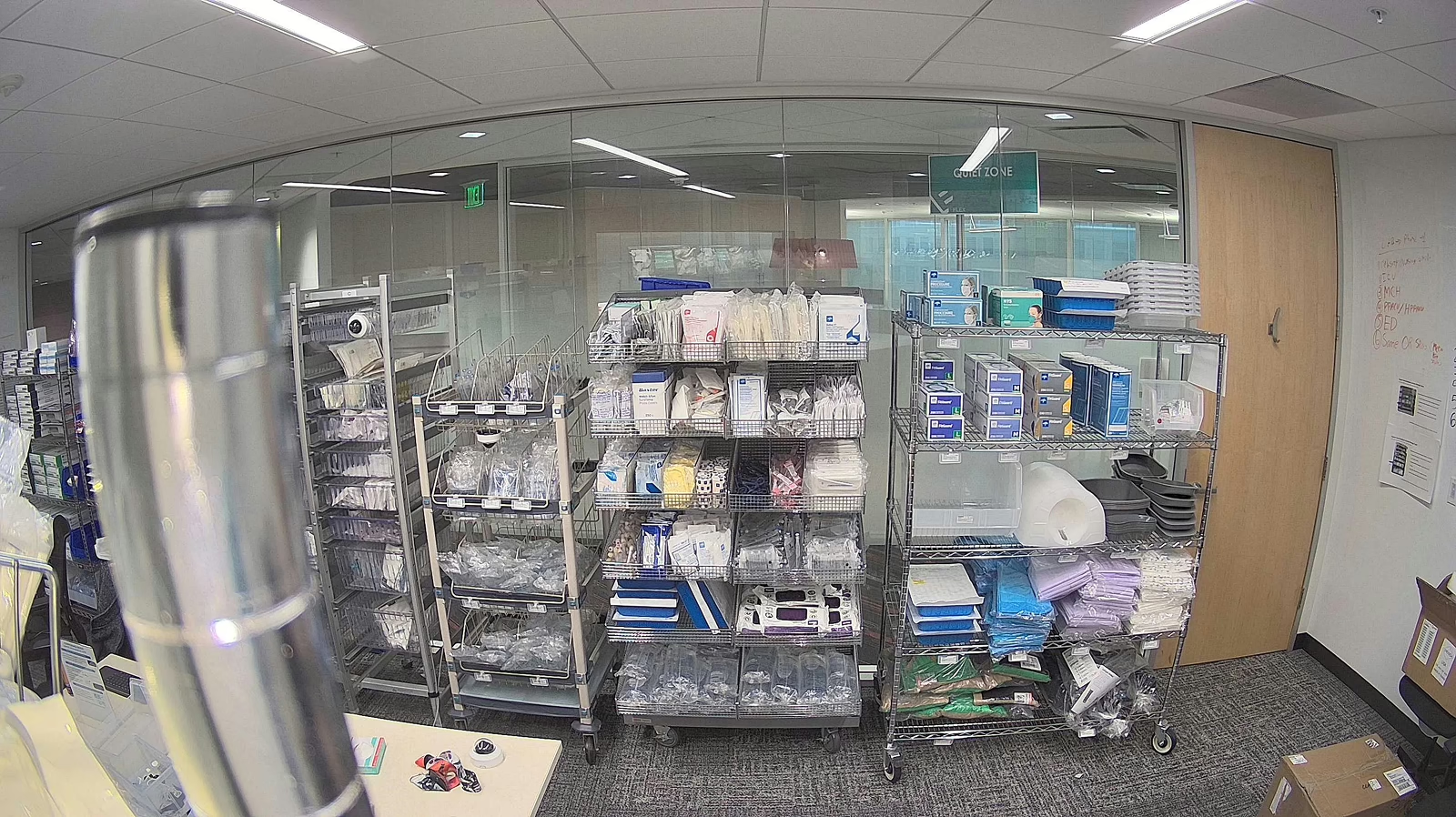
Acute care areas raise the stakes because the supplies are used fast and a shortage reaches the bedside quickly. The same strategies apply, with more emphasis on real-time capture and tight PAR management, since these rooms turn over stock quickly and a stale count fails faster. Continuous capture in these locations catches a low shelf in time to act, rather than at the next scheduled count.
How Camera AI Prevents Hospital Stockouts?
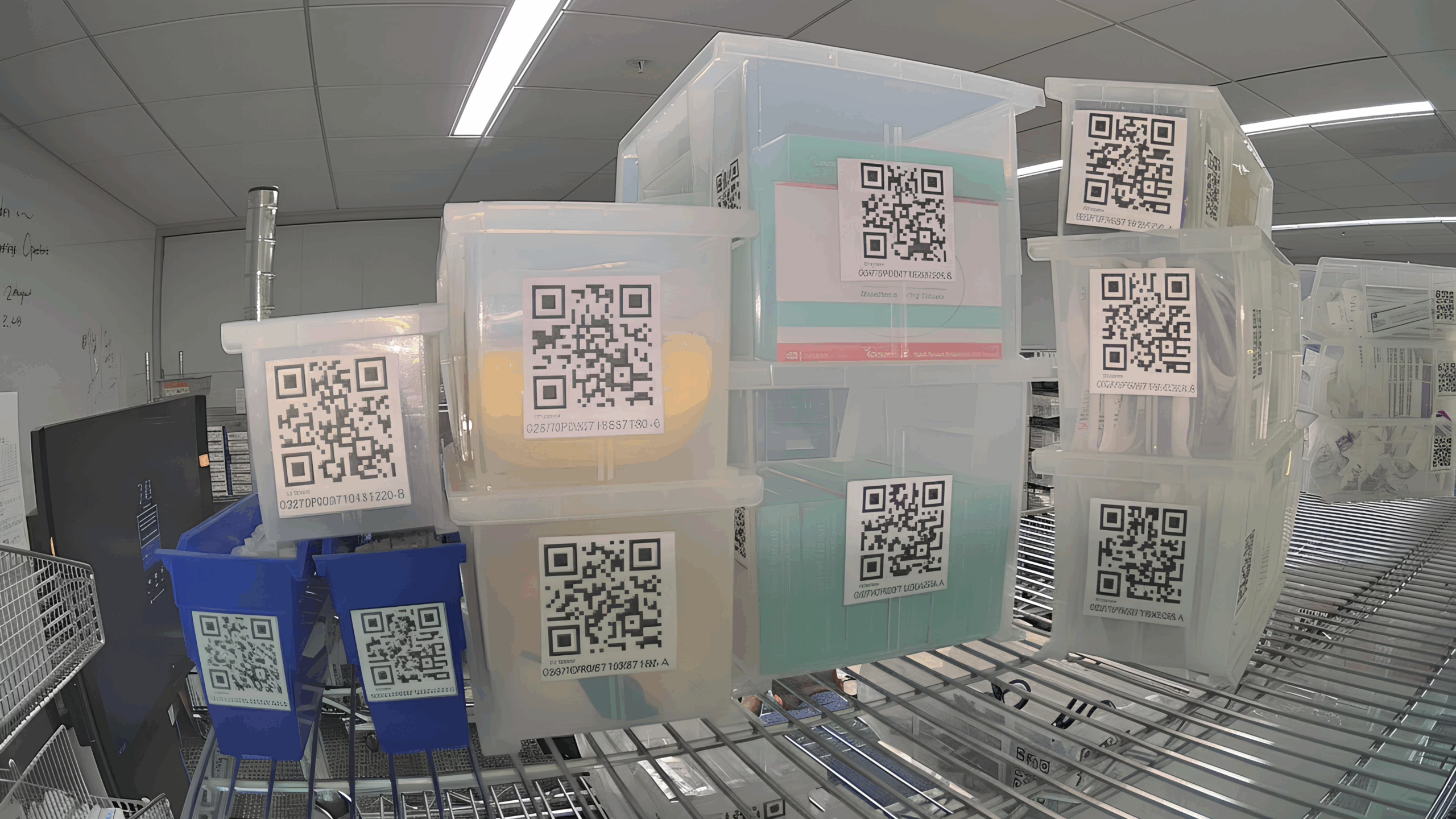
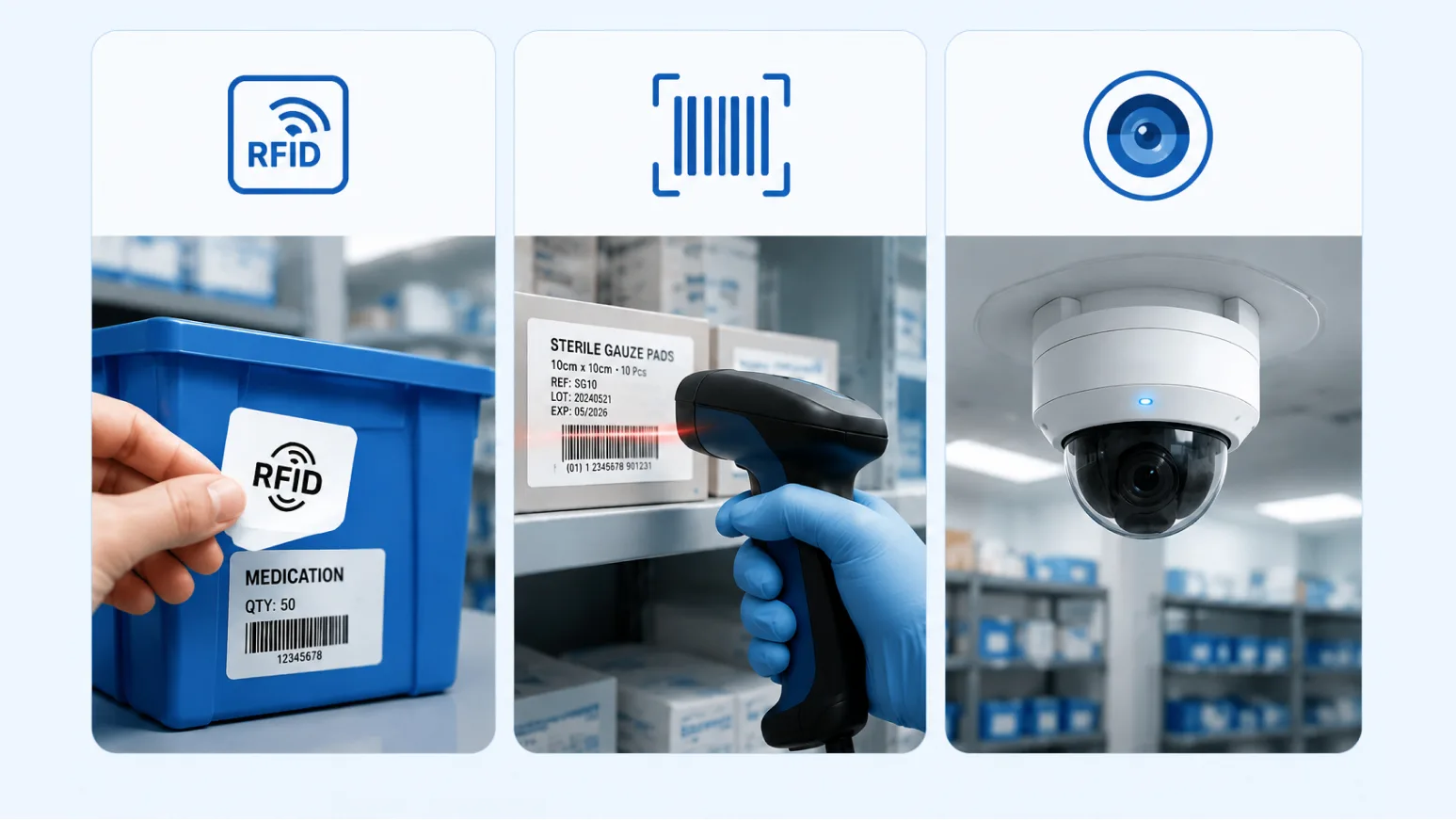
The hardest strategy to sustain is keeping the count accurate without adding work for clinical staff. Camera AI does that. Cameras watch supply rooms and PAR locations, recognize items as they are taken and replaced, and update the count in real time, with no scanning and no manual counts.
That live count is what makes stockout prevention reliable. Replenishment fires on real movement, not on a stale snapshot. Forecasting works from clean usage data, so PAR levels sit at the right point. At-risk items surface early enough to rebalance or substitute before a shelf is empty. Hospitals using this approach keep inventory accuracy above 99 percent, which removes the count drift that causes most stockouts in the first place. It is the same camera AI behind Chooch hospital inventory management.
Frequently Asked Questions
Q. How do you prevent stockouts in hospitals?
Prevent stockouts by keeping an accurate, real-time count, setting PAR levels from real usage, forecasting demand, automating alerts and reordering, and right-sizing safety stock. The foundation is capturing usage continuously so shortages are visible before a shelf runs dry.
Q. What causes hospital stockouts?
Most stockouts come from inaccurate counts that drift between periodic checks, weak demand forecasting, slow manual reordering, supplier rush orders, and systems that do not share one live picture. The common thread is stale or incomplete data rather than a true lack of supply.
Q. How does AI reduce stockouts in hospitals?
AI reduces stockouts by capturing usage in real time, forecasting demand from actual consumption, and triggering replenishment automatically. Camera AI keeps the count accurate with no scanning, so low shelves and at-risk items surface early enough to act.
Q. How can hospitals reduce rush orders?
Hospitals reduce the impact of rush orders by spotting at-risk items early with usage and lead-time data, identifying approved substitutes in advance, rebalancing stock across sites to cover the gap, and keeping clinical teams informed while the rush order clears.
Q. How do hospitals manage stockouts and excess supplies at the same time?
By focusing on accuracy rather than padding. A live count and real demand forecasts let PAR levels sit at the right point, high enough to prevent stockouts and low enough to avoid overstock and expiry. Managing both is one job done well.
Keep Critical Supplies in Stock
Stockouts are a data problem before they are a supply problem. Keep the count accurate in real time, set PAR levels from real usage, and act on at-risk items early, and most shortages never reach the point of care, without swinging into costly overstock. The aim is steady: the right product, in the right place, at the right time.
See how Chooch camera AI keeps hospital supply rooms accurate with no scanning and no counting. Explore hospital inventory management or book a 30-minute walkthrough.