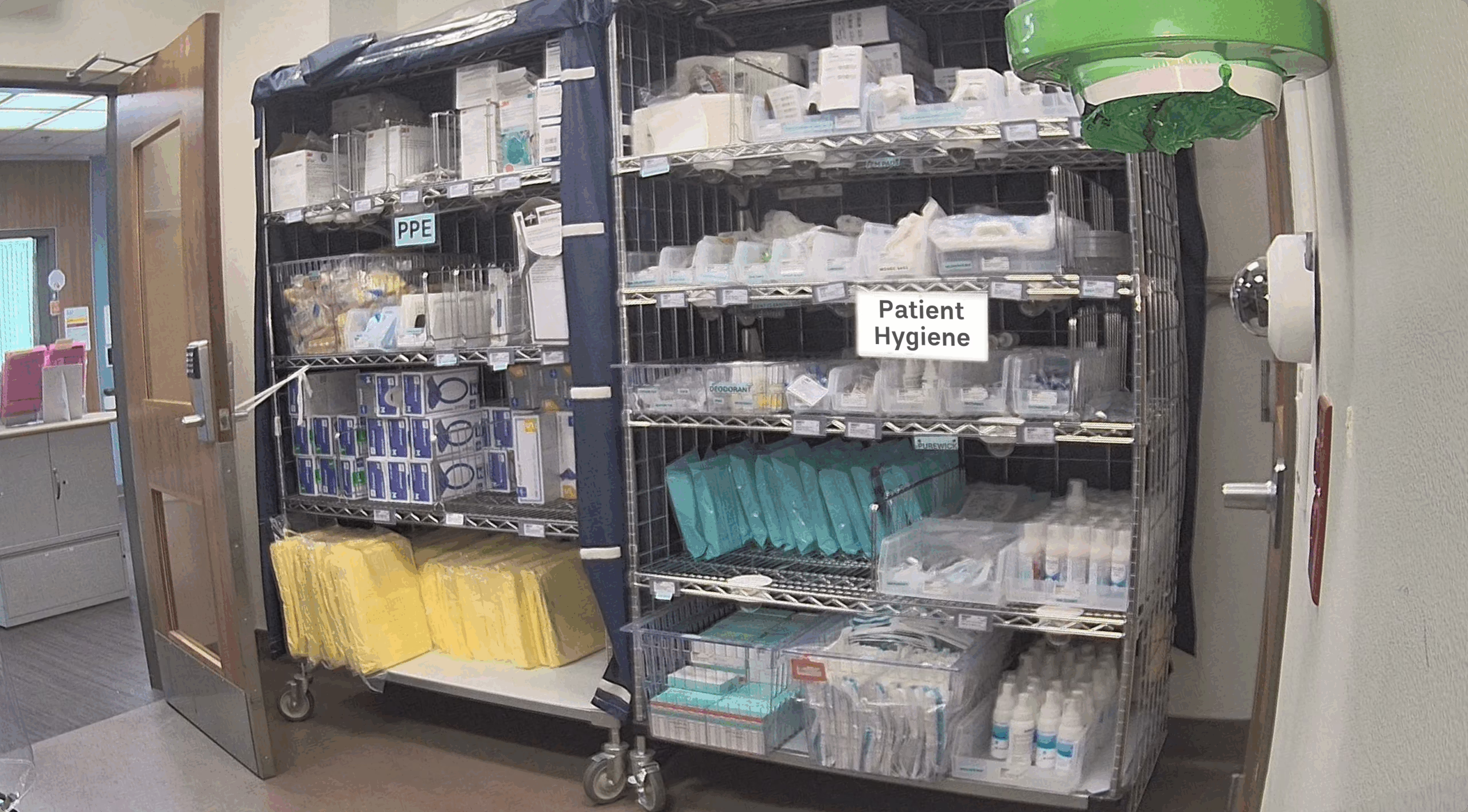


The problem isn’t just what gets thrown away. It’s what hospitals never knew was sitting unused.
A box of dressings sits at the back of a supply shelf. New deliveries arrive, the front bins are refilled, and the older box stays where it is. Months later, someone finds it during a count — after its expiration date.
It looks like a small loss. Across multiple rooms and hundreds of products, though, expired stock can reveal a much bigger inventory problem: supplies are being purchased, stored and replenished without a clear picture of what is already available.
The Price Tag Goes Beyond the Product
When medical supplies expire before use, hospitals lose more than their purchase price. Teams also spend time identifying, removing, documenting and replacing stock. A product may have occupied valuable shelf space for months while another location ordered the same item.
The costs show up in several places:
- Wasted purchasing spend on unused products
- Staff time spent checking dates and removing expired stock
- Storage space tied up by slow-moving inventory
- Extra orders when usable stock is overlooked elsewhere
Why Does Usable Stock Get Left Behind?
Expiration waste is not always caused by ordering too much. It can also happen when hospitals cannot easily see which items are moving, where they are stored or which locations have more than they need.
Common patterns include:
- New stock placed in front of older supplies
- PAR quantities that no longer reflect actual demand
- Slow-moving products replenished out of habit
- Separate rooms ordering without visibility into nearby surplus
The result is frustrating: one room may be overstocked while another struggles to find the same supply.
Counting Stock Is Not the Same as Managing Its Age
A cycle count can confirm that ten boxes are present. It does not, on its own, tell a team whether those boxes will be used before they expire.
Effective expiry management combines accurate inventory records with product-level expiration information, sensible stock rotation and regular review of slow-moving items. Where expiry dates are not captured reliably, teams still need a clear process to record and verify them.
Four Ways to Reduce Expiration Waste
- Rotate stock consistently. Put older usable stock where staff will pick it first, and make expiration checks part of routine restocking.
- Review slow-moving items. Look at products that stay on shelves for long periods. Check whether order quantities and PAR levels still match demand.
- Make surplus visible. Before placing another order, check whether usable stock is available in another monitored location and can be safely transferred under hospital policy.
- Act before the expiry date. Use recorded expiration dates and agreed review windows to identify at-risk products early enough for an appropriate operational response.
Where Vision AI Fits
Better expiration management starts with knowing what is actually on the shelf. Chooch uses Vision AI to monitor supplies in configured hospital inventory locations and provide more current visibility into stock levels and consumption patterns.
That visibility can help supply chain teams identify slow-moving or excess inventory, review replenishment needs and reduce unnecessary ordering. Expiration-date tracking still depends on accurate product data and the hospital’s established expiry-control processes; visual stock monitoring should not be treated as a substitute for those checks.
The Goal: Use More of What You Already Buy
Reducing expired supplies is not simply about cutting orders. It is about understanding demand, rotating products properly and seeing excess stock before it becomes waste.
When hospitals know what is on their shelves — and what is not moving — they can make better decisions about what to buy, where to store it and when to replenish.
See What Your Shelves Are Telling You
Explore how Chooch Vision AI supports more accurate hospital inventory visibility, smarter replenishment and less manual stock management. See Vision AI in Action.