
A target that worked last quarter may be wrong for the next one.
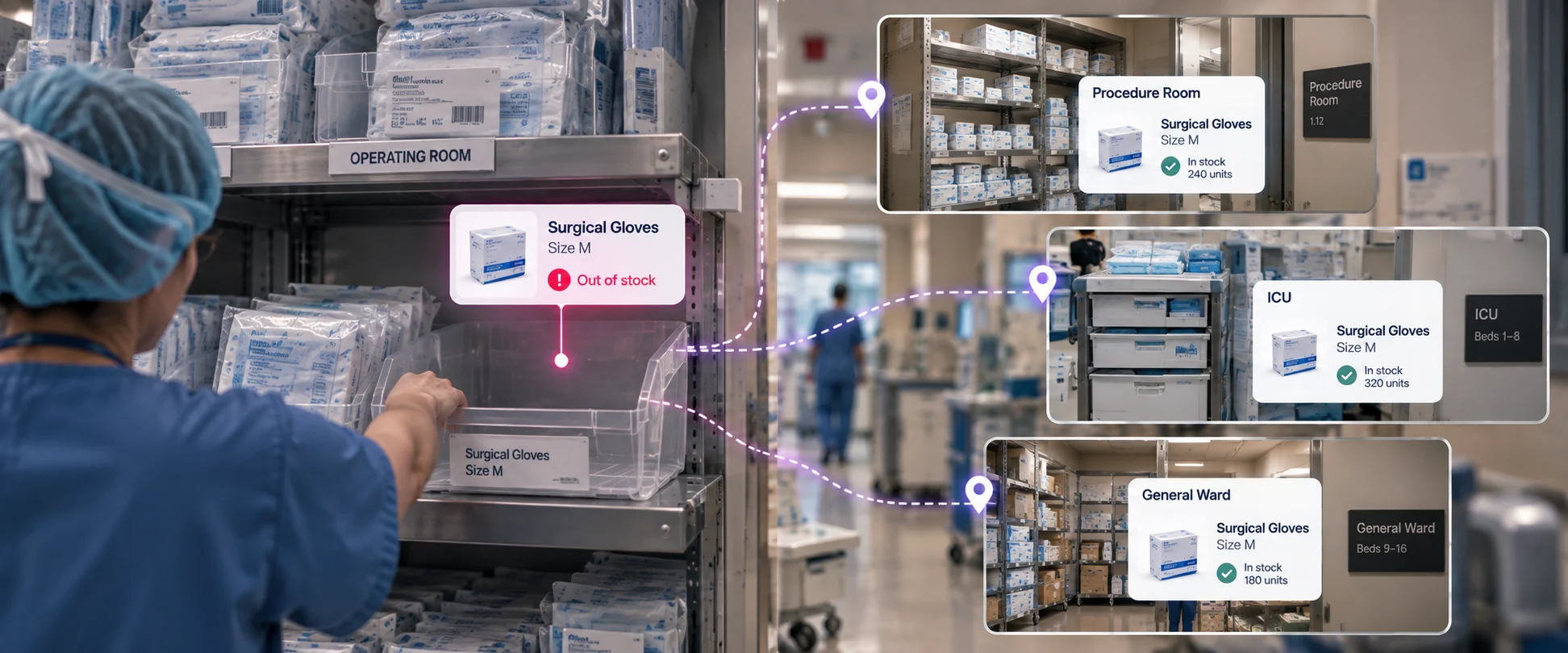
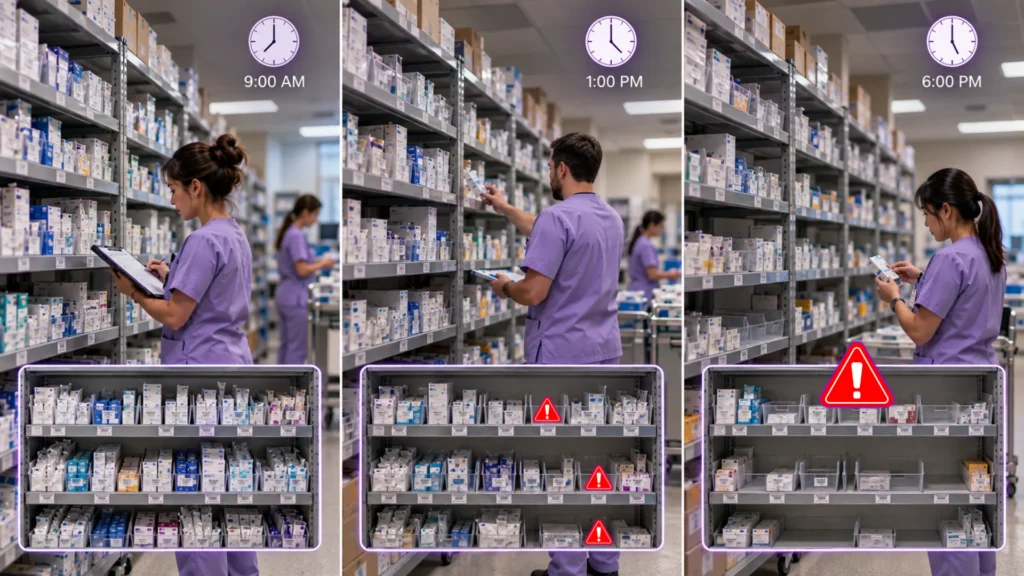
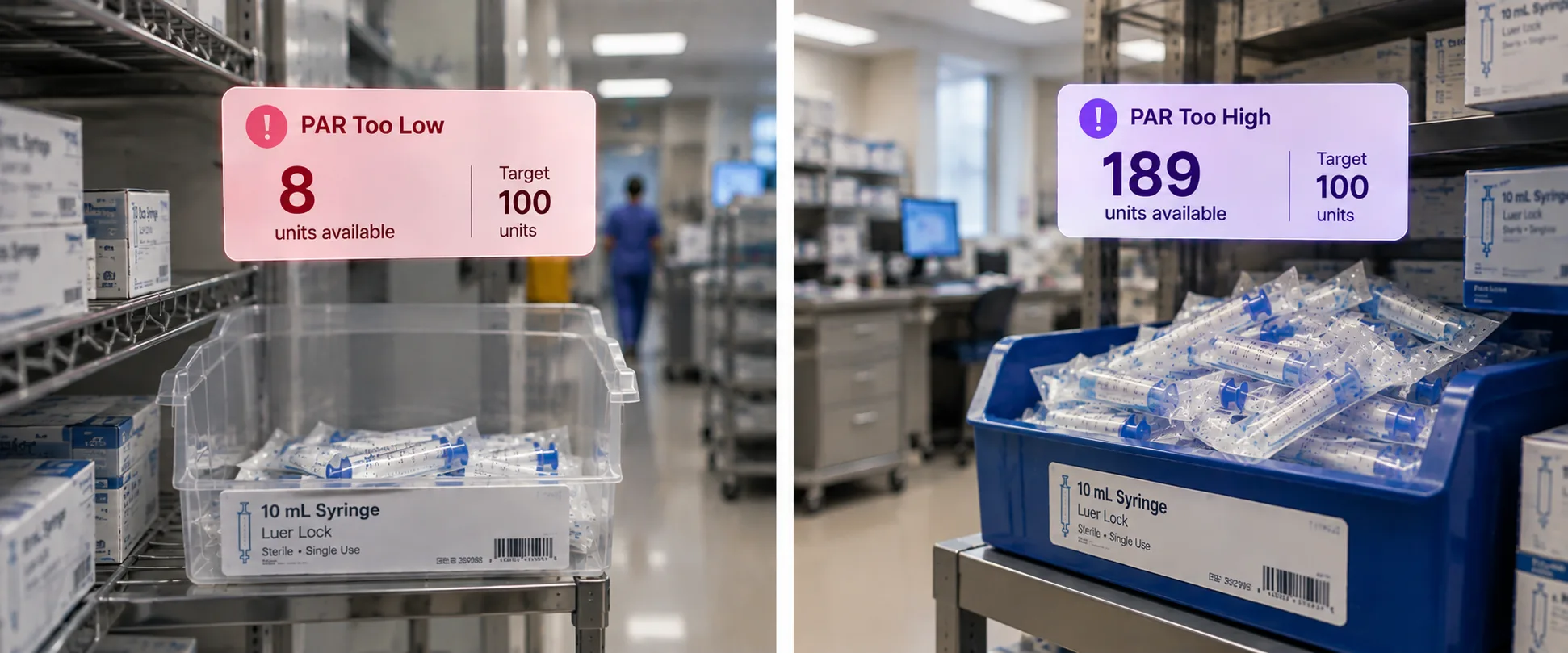
One bin empties before its next refill. Another is still full when a new delivery arrives. Both may be following the PAR levels set months earlier. The problem is not necessarily that anyone ignored the rules; the rules may no longer reflect what is happening on the shelf.
A target can stay still while demand moves
| What staff notice | Possible explanation | What to check |
|---|---|---|
| Bin empties before refill | Demand increased or delivery timing changed | Consumption and refill schedule |
| Bin stays full after delivery | Target may exceed current usage | Demand and necessary reserves |
A PAR level is a target quantity used to guide replenishment at a particular location. It is a planning setting, not a guarantee that usage will remain constant.
Illustrative examples below; not measured hospital or Chooch results.
Both patterns are reasons to review the target, not instructions to change it automatically.
Three reasons a PAR target stops fitting
Demand changes / Procedure volume, patient mix or seasonal patterns change how quickly an item moves.
Stock information lags / Late updates to removals and deliveries distort what teams believe is available.
The target is rarely reviewed / An old replenishment setting survives after usage or delivery patterns have shifted.
The four-step review cycle
OBSERVE → INVESTIGATE → ADJUST → CHECK AGAIN
Start with repeated patterns rather than one empty bin. Check consumption, delivery timing, data quality and the clinical importance of the item. If the evidence supports a change, approve the target through the hospital’s process—and monitor what happens next.
Avoid the easy but expensive fix
Raising every PAR level can hide shortages while increasing excess stock. Lowering every low-use target can compromise necessary reserves. Different items and locations need different decisions.
How Chooch supports the review
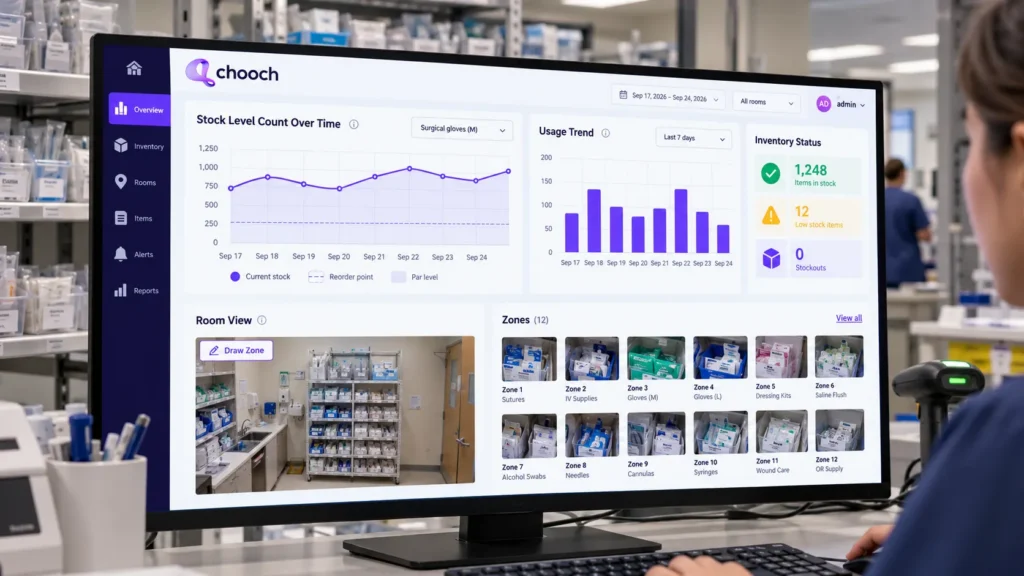
Chooch uses Vision AI to monitor configured shelves and bins and surface stock-level and consumption patterns. These signals can support PAR reviews and replenishment decisions, while hospital teams retain control over targets and purchasing.
The right PAR level is not the one that was once correct. It is the one that continues to fit actual demand and readiness requirements.
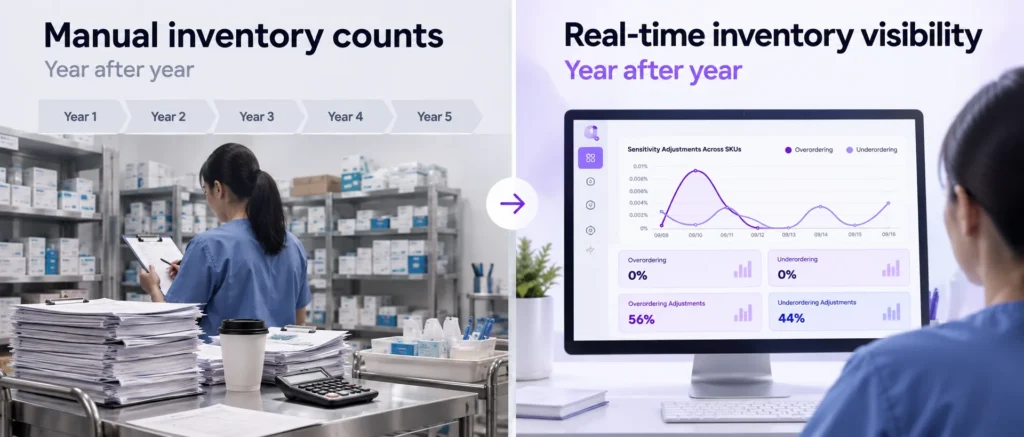
Put manual counts behind you. Discover what Vision AI can do for your inventory.